

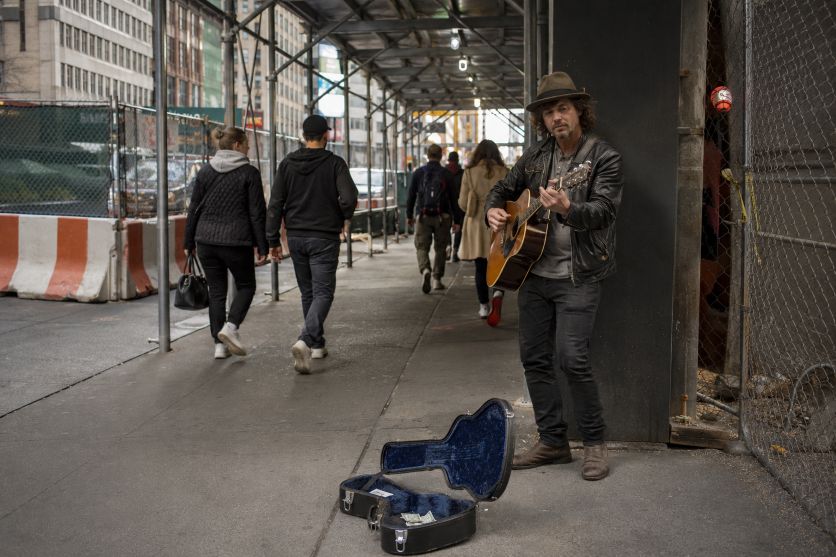
Sidewalk sheds, construction fences, and work zones regularly narrow or redirect pedestrian routes across New York City. These protective structures are installed to separate active construction from the public, yet they also change the small public spaces where street musicians attract listeners. A familiar performance corner can suddenly become a covered passage, a noisy loading area, or a channel where people are expected to keep moving.
Job-site panels help pedestrians understand why a familiar block has changed. The New York City Department of Buildings requires prescribed information on construction fences and sidewalk sheds, including project and permit details. Suppliers offering contractor signs NY serve a practical role within that regulated setting. For performers, the posted information can also signal that a location may remain disrupted for some time rather than returning to normal after one workday.
Construction Changes More Than the View
A sidewalk performer depends on an informal relationship among space, sound, and passing foot traffic. The ideal spot offers enough room for an instrument case, a clear line of sight, and a place where listeners can pause without blocking others. Construction can alter each condition at once.
The Department of Buildings explains that sidewalk sheds are intended to protect sidewalks and pathways near construction activity. Its current rules also require identifying information to be displayed in a central, visible location. These structures therefore create protected movement corridors, but their columns, fencing, and entrances can leave less room for optional activities such as stopping to hear a song.
Sound is another concern. The New York City Department of Environmental Protection generally permits construction between 7 a.m. and 6 p.m. on weekdays and requires projects to prepare a construction noise mitigation plan. Even with mitigation measures, drills, vehicles, generators, and material handling can compete with an unamplified voice or instrument. A musician may decide that playing louder is neither effective nor suitable for the surrounding block.
How Performers Adapt Their Locations
The simplest response is to move a short distance. A guitarist displaced from a fenced corner might try the opposite side of the intersection, while a horn player may look for a plaza with fewer reflective surfaces. Singers can favor areas farther from machinery, especially during the busiest construction hours. These are small adjustments, yet they show how performers read the street almost like a changing stage plan.
Timing can matter as much as location. Since much authorized construction occurs during weekday daytime hours, performers may find that evenings provide a calmer sound environment. Weekend conditions can vary because some projects receive after-hours authorization. Musicians therefore benefit from observing a block at the intended performance time instead of assuming yesterday’s conditions will continue.
Relocating underground is another possibility. The Metropolitan Transportation Authority permits artistic performances within the subway system when performers follow its Rules of Conduct and do not interfere with transit operations. Musicians do not have to belong to the MTA Music program to perform, although members of the curated program receive designated opportunities. Stations offer shelter and steady foot traffic, but performers must remain clear of stairs, gates, platforms, and passenger circulation.
Public Space Still Comes With Rules
Moving away from construction does not remove every practical restriction. Information from NYC311 states that street performers generally do not need a permit, but using a loudspeaker, stereo, megaphone, or similar sound device requires a Sound Device Permit. Performing in or next to a city park may involve additional permission. This distinction matters when a musician considers amplification to overcome nearby work noise.
Pedestrian access should remain the first test of any alternative spot. A narrow opening beside a fence may appear inviting because people pass close to the performer, but it can become uncomfortable when listeners stop. Musicians working near curbs and active traffic should also consider broader concerns about music and driver distraction, particularly when choosing their volume and position. Entrances, curb ramps, bus stops, and emergency access points need space, while performers should remain visible without drawing attention away from nearby road conditions.
Job-Site Signs Become Part of the Sidewalk Rhythm
Construction signage cannot tell a musician where to stand, yet it makes the changing use of a block more legible. A project panel identifies active work, while shed signs display permit and contact information required by city rules. Together with barriers and equipment, these visual cues tell pedestrians and performers that the normal arrangement of the sidewalk has temporarily shifted.
Street music has always responded to the city around it. Performers adjust to weather, crowds, traffic, enforcement, and changing businesses. Construction adds another variable, sometimes pushing music away from a corner and sometimes concentrating listeners just beyond the work zone. Visible job-site identification quietly marks that transition. As projects begin and end, the signs, musicians, and pedestrian routes collectively shape the informal rhythm of New York’s sidewalks.