

Scaffolding and Street Sound: How NYC’s Construction Boom Reshapes Where Musicians Perform
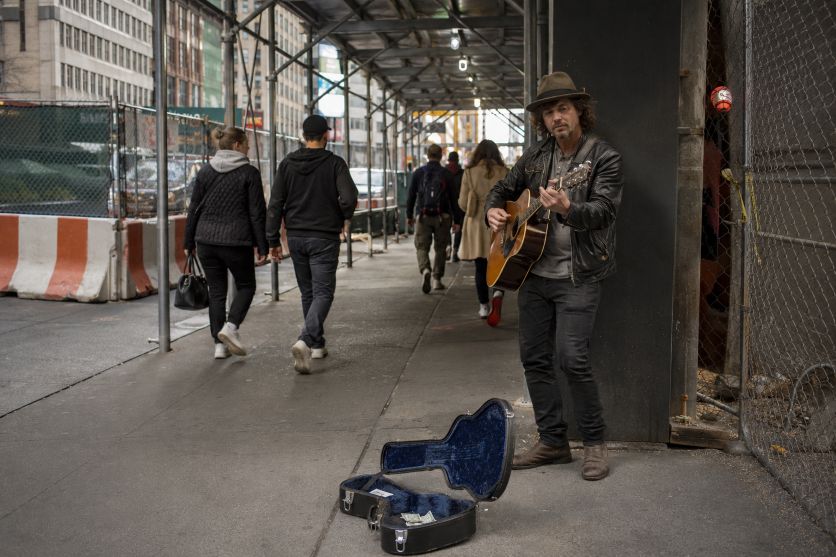
Sidewalk sheds, construction fences, and work zones regularly narrow or redirect pedestrian routes across New York City. These protective structures are installed to separate active construction from the public, yet they also change the small public spaces where street musicians attract listeners. A familiar performance corner can suddenly become a covered passage, a noisy loading area, or a channel where people are expected to keep moving.
Job-site panels help pedestrians understand why a familiar block has changed. The New York City Department of Buildings requires prescribed information on construction fences and sidewalk sheds, including project and permit details. Suppliers offering contractor signs NY serve a practical role within that regulated setting. For performers, the posted information can also signal that a location may remain disrupted for some time rather than returning to normal after one workday.
Construction Changes More Than the View
A sidewalk performer depends on an informal relationship among space, sound, and passing foot traffic. The ideal spot offers enough room for an instrument case, a clear line of sight, and a place where listeners can pause without blocking others. Construction can alter each condition at once.
The Department of Buildings explains that sidewalk sheds are intended to protect sidewalks and pathways near construction activity. Its current rules also require identifying information to be displayed in a central, visible location. These structures therefore create protected movement corridors, but their columns, fencing, and entrances can leave less room for optional activities such as stopping to hear a song.
Sound is another concern. The New York City Department of Environmental Protection generally permits construction between 7 a.m. and 6 p.m. on weekdays and requires projects to prepare a construction noise mitigation plan. Even with mitigation measures, drills, vehicles, generators, and material handling can compete with an unamplified voice or instrument. A musician may decide that playing louder is neither effective nor suitable for the surrounding block.
How Performers Adapt Their Locations
The simplest response is to move a short distance. A guitarist displaced from a fenced corner might try the opposite side of the intersection, while a horn player may look for a plaza with fewer reflective surfaces. Singers can favor areas farther from machinery, especially during the busiest construction hours. These are small adjustments, yet they show how performers read the street almost like a changing stage plan.
Timing can matter as much as location. Since much authorized construction occurs during weekday daytime hours, performers may find that evenings provide a calmer sound environment. Weekend conditions can vary because some projects receive after-hours authorization. Musicians therefore benefit from observing a block at the intended performance time instead of assuming yesterday’s conditions will continue.
Relocating underground is another possibility. The Metropolitan Transportation Authority permits artistic performances within the subway system when performers follow its Rules of Conduct and do not interfere with transit operations. Musicians do not have to belong to the MTA Music program to perform, although members of the curated program receive designated opportunities. Stations offer shelter and steady foot traffic, but performers must remain clear of stairs, gates, platforms, and passenger circulation.
Public Space Still Comes With Rules
Moving away from construction does not remove every practical restriction. Information from NYC311 states that street performers generally do not need a permit, but using a loudspeaker, stereo, megaphone, or similar sound device requires a Sound Device Permit. Performing in or next to a city park may involve additional permission. This distinction matters when a musician considers amplification to overcome nearby work noise.
Pedestrian access should remain the first test of any alternative spot. A narrow opening beside a fence may appear inviting because people pass close to the performer, but it can become uncomfortable when listeners stop. Musicians working near curbs and active traffic should also consider broader concerns about music and driver distraction, particularly when choosing their volume and position. Entrances, curb ramps, bus stops, and emergency access points need space, while performers should remain visible without drawing attention away from nearby road conditions.
Job-Site Signs Become Part of the Sidewalk Rhythm
Construction signage cannot tell a musician where to stand, yet it makes the changing use of a block more legible. A project panel identifies active work, while shed signs display permit and contact information required by city rules. Together with barriers and equipment, these visual cues tell pedestrians and performers that the normal arrangement of the sidewalk has temporarily shifted.
Street music has always responded to the city around it. Performers adjust to weather, crowds, traffic, enforcement, and changing businesses. Construction adds another variable, sometimes pushing music away from a corner and sometimes concentrating listeners just beyond the work zone. Visible job-site identification quietly marks that transition. As projects begin and end, the signs, musicians, and pedestrian routes collectively shape the informal rhythm of New York’s sidewalks.

 Pop music is described as a commercially oriented type of music because it’s a composition mainly intended for the appreciation and consumption of wide audiences belonging to literate and tech-savvy urban societies. Pop music composers are known professional music makers who use advanced instrumentations that started to emerge during the Industrial Age.
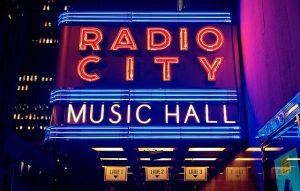 Radio broadcasting equipment had broadened the reach and extent of pop music. Radio shows became instrumental in promoting new styles of pop musical compositions in different regions, like country music, rock jazz, rhythm, blues and reggae.
 It can be recalled that Justin Timberlake’s launch of a successful solo career in 2002, was the main reason why the boy
  The latter reunited with his four brothers played by former NSYNC members who Branch had previously left behind, namely: Lance Bass, JC Chasez, Chris Kirkpatrick and Joey Fatone. In the movie, each of the four members has taken on surprise roles, including coming back to reunite and perform a new song with Branch (Timberlake.) Rumor mills have come up with a new speculation that the song will be the first track of a reunited NSYNC band but no longer as boyband that sung hit songs like “Bye Bye Bye,” “Girlfriend” and “This I Promise You” in the early phase of the Y2K era.


 Disc/Mp3 Car Audio System

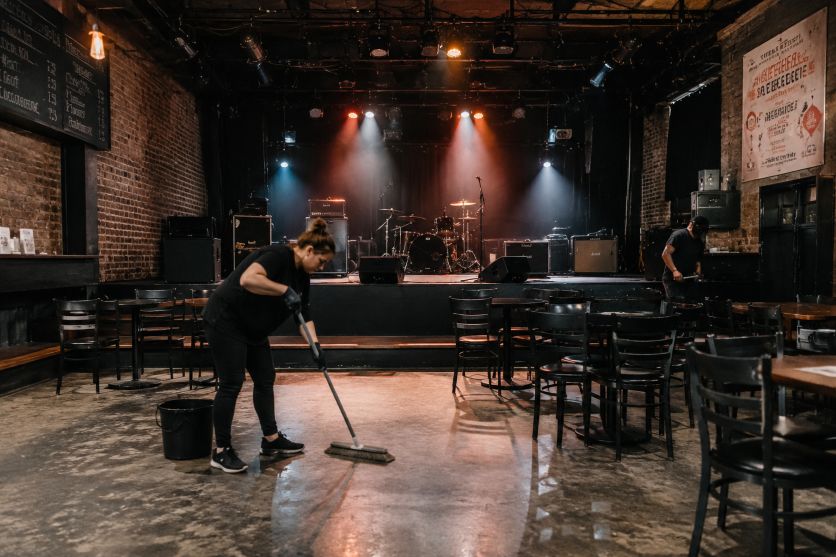
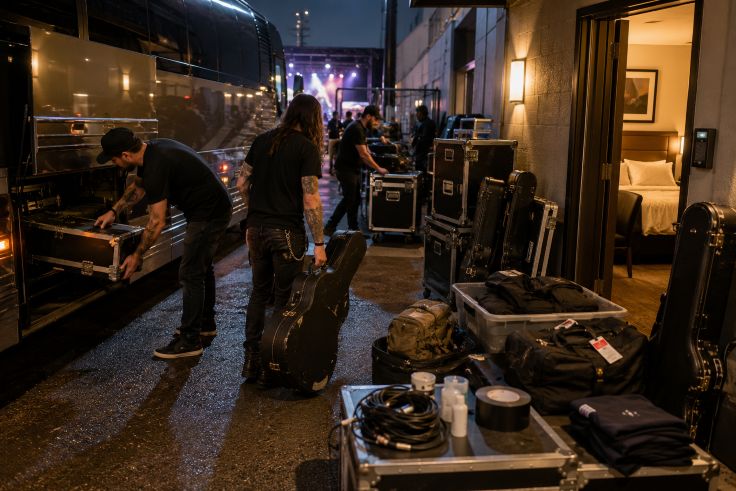
 Musicians have long relied on physical media (vinyl, CDs), but today a growing number are turning to printed USB sticks, custom flash drives pre-loaded with music, videos, artwork and extras. This shift isn’t just about format: for many artists it’s a creative statement, a marketing tool, and a deeper connection with fans.
 If you’ve ever hired a house cleaning service, you probably noticed how quickly they move through a space. Their work feels efficient and almost rhythmic, as if they’ve trained themselves into a flow. But when you’re tackling your own home, that same rhythm can be more complex to find—unless you bring in the right motivator: music. Many people claim that listening to their favorite playlist makes chores feel lighter, faster, and even enjoyable. Science backs this up, and if you want to
  For many urban riders, the daily commute is more than a way to get from home to work. It’s a short block of time to reset, prepare, and enjoy a personal routine. Adding music to a surron light bee x e-bike commute can turn it into a daily ritual that helps manage stress and maintain focus.
 Music transforms the chaos of moving day into a rhythmic, enjoyable experience. Moving to a new home in Greenwich, CT, can feel overwhelming with packing, lifting, and organizing. A curated playlist sets the tone, boosts energy, and keeps stress at bay. This article curates the ultimate Greenwich-themed moving day playlist, blending upbeat tracks, local vibes, and calming tunes to make your move seamless.
 Commercial drivers spend long hours behind the wheel. For many,
  Karaoke night is a special kind of magic. It’s where shy coworkers become rock stars, and quiet bars turn into concert halls. But beyond the mic and the music, there’s something even more entertaining: the people. Karaoke brings out personalities you might not see anywhere else. Even at places like 호치민 가라오케, you’ll find the same mix—spotlight stealers, hype squads, nervous first-timers, and comic reliefs. Some come to steal the spotlight; others just want a laugh. So, which one are you? Here are the most common karaoke night personalities. See if you recognize yourself—or your friends.

 Music and home design may seem like two different worlds, but they share a common goal—creating the perfect atmosphere. Just as the right song can set the mood, well-designed Austin vinyl windows can shape the way a home feels. Whether you’re playing classic records or streaming your favorite tunes, the environment around you plays a key role in the experience. Vinyl windows, known for their insulation and soundproofing qualities, can enhance the way music is enjoyed indoors.


 Building environments that improve musical experiences depends much on roofing contractors. Choosing appropriate building materials and construction methods helps to guarantee that the roof of the structure supports a suitable habitat for music. The correct roofing decisions can make all the difference, from a quiet home studio to a performance venue with great acoustics.
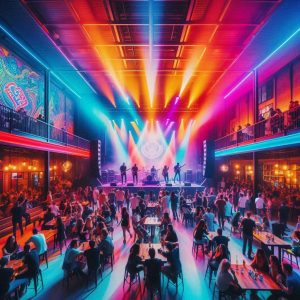 Musicians in Georgia looking to relocate to the region’s big cities arrange for a moving appointment. Musicians like artists, after all, prefer to have as little disruption as possible so they can immediately go back to working on unfinished projects. Some others are just eager to settle in Midtown, a city in Atlanta where there is a significant concentration of music, arts and cultural venues,facilities and organizations.
 Anyway, when booking for a same-day moving appointment with the Deluxe Moving Solutions website, a quotation for the estimated costs of transportation, labor, packing materials and boxes will be provided free of charge. Online inquirers and regular customers, though, have to signify approval of the estimated costs before the company proceeds with the moving activities.
 The desire to boost the performance of TRD Tacoma pickup vehicles for street-driving had inspired TRD engineers to develop and create tacoma trd rims and wheels. Actually, the Toyota Racing Development (TRD) sector was borne out of Toyota’s zealous desire to let ordinary vehicle consumers
  Tacoma TRD wheels and rims are options for upgrading the support of the off-road pickup truck’s tires, engine and suspension system, particularly the shocks and springs. Their contributions help a Tacoma driver handle tough terrains more confidently.

 Music has a unique ability to transform any event, setting the tone and creating a memorable experience for attendees. Whether it’s a corporate event, product launch, or trade show, the right music can engage the audience, evoke emotions, and complement the overall theme. However, the impact of music goes beyond just the sound. When combined with the presence of professional event models, music can significantly elevate the atmosphere, leaving a lasting impression on guests.



 Ever wondered why some cats seem to be drawn to music, while others may sprint in the opposite direction at the first note? Music, with its diverse range of frequencies and vibrations, affects many living beings, including our feline companions. Cats have a different frequency range of hearing compared to humans, which makes their experience of music distinct.

