

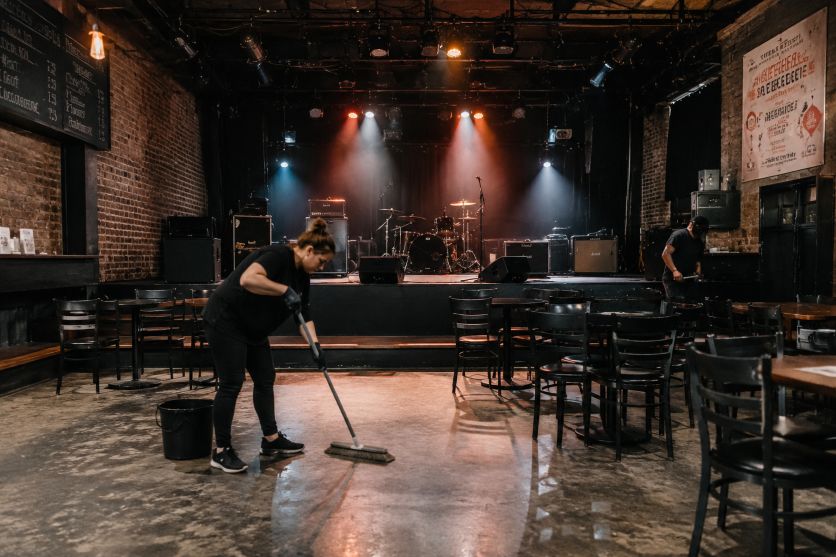
The World Health Organization notes that environmental conditions inside public gathering spaces can directly influence health, safety, and overall well-being. Music venues, rehearsal studios, bars, and community performance halls are no exception. Crowded rooms, aging infrastructure, poor ventilation, and sanitation issues can shape how audiences experience live music and how artists sustain their creative work over time.
Local music communities often grow inside older buildings with limited budgets and inconsistent maintenance schedules. Some venue owners argue that preserving the raw character of these spaces is part of what gives underground music scenes their identity. Others believe modernization is necessary to protect performers, staff, and guests from preventable issues tied to cleanliness and facility upkeep. Discussions around sanitation frequently include concerns about waste management, ventilation, and pest control services such as cockroach exterminator Buffalo when rehearsal studios and live-event spaces experience recurring infestations or structural deterioration.
The Relationship Between Venue Conditions and Audience Experience
Audience expectations have changed over the years. Music fans may tolerate smaller stages, simple lighting systems, or limited seating if the environment still feels safe and welcoming. Dirty restrooms, unpleasant odors, visible pests, or overflowing trash, however, can quickly damage a venue’s reputation.
Research published by Harvard T.H. Chan School of Public Health highlights how indoor environmental quality affects comfort, concentration, and overall satisfaction in shared spaces. While much of this research focuses on workplaces and schools, similar principles apply to entertainment settings where people gather for several hours at a time.
Independent venues already face financial pressure from rising rent, licensing costs, and competition from large entertainment chains. Some owners place sanitation improvements lower on the priority list because audiences mainly attend for the music itself. That viewpoint is understandable, especially for smaller venues operating on thin profit margins.
Still, fans often associate environmental quality with professionalism. A rehearsal room with clean floors, reliable ventilation, and maintained equipment can encourage artists to return regularly. The same applies to bars and clubs hosting local bands. Consistency matters in community-driven music spaces because repeat attendance supports long-term survival.
The Debate Around Preserving Older Music Venues
Older performance spaces often carry historical and emotional value. Many legendary music scenes developed inside aging buildings that lacked modern amenities. Some musicians and fans believe renovations can erase the authenticity that made those places culturally important in the first place.
This perspective has merit. Exposed brick walls, vintage signage, worn wooden stages, and imperfect acoustics sometimes become part of a venue’s identity. Renovation projects may unintentionally increase ticket prices or push smaller artists out of the scene. Preservation advocates frequently argue that character matters more than cosmetic perfection.
At the same time, there is a difference between preserving atmosphere and ignoring health concerns. Data from the Centers for Disease Control and Prevention shows that poorly maintained indoor spaces can contribute to respiratory problems, allergen exposure, and pest-related contamination. These risks become more noticeable in crowded environments where food, drinks, storage equipment, and limited ventilation coexist.
Many older rehearsal buildings also contain hidden structural problems. Water leaks behind walls, damp storage rooms, and neglected kitchen areas can create conditions that attract insects and rodents. Musicians working late hours may become accustomed to these issues over time, treating them as part of underground venue culture rather than maintenance failures that deserve attention.
The challenge is finding balance. Communities often want to protect the personality of independent venues without allowing preventable sanitation issues to grow worse. That balance requires investment, planning, and realistic expectations from venue operators and audiences alike.
How Sanitation Problems Affect Rehearsal and Performance Spaces
Sanitation concerns inside music venues extend beyond appearance. Poor environmental conditions can damage instruments, audio equipment, and storage areas. Humidity, pests, mold, and poor airflow may shorten the lifespan of amplifiers, microphones, wiring systems, and acoustic materials.
The Environmental Protection Agency explains that indoor moisture problems are closely linked to mold growth and pest activity. Rehearsal studios are especially vulnerable because many operate in basements, converted warehouses, or older commercial properties with inconsistent maintenance histories.
Food and beverage service adds another layer of complexity. Bars hosting live music often deal with spills, overflowing trash bins, and late-night cleanup delays. Even responsible staff members may struggle to maintain sanitation standards during busy weekends or large events.
Pest infestations can also influence artist morale. Musicians spending long hours inside rehearsal studios want environments that feel stable and functional. Frequent sightings of insects or signs of contamination may discourage collaboration and reduce productivity. Some performers may eventually move to cleaner facilities, leaving struggling venues with fewer bookings and reduced community support.
Venue employees face similar concerns. Bartenders, sound engineers, security workers, and cleaning staff spend repeated shifts inside these environments. Environmental quality affects them more consistently than occasional guests. Clean conditions are therefore tied to worker retention and operational reliability as much as customer satisfaction.
Different Approaches to Solving the Problem
Opinions differ on how local music communities should respond to aging venue conditions. Some believe public funding and arts grants should support renovation projects for historically important spaces. Others argue that independent businesses must handle maintenance privately without expecting outside assistance.
Community volunteers sometimes organize cleanup days, fundraising concerts, or collaborative repair projects. These efforts can strengthen local music culture while reducing maintenance burdens for small venue owners. Fans who feel emotionally connected to a venue are often willing to contribute time or resources to preserve it.
Professional maintenance services remain important, especially for structural sanitation problems that volunteers cannot safely manage alone. Regular inspections, waste management planning, ventilation improvements, and targeted pest-control strategies may help prevent larger issues from developing.
Experts from The National Institute for Occupational Safety and Health emphasize that indoor environmental management requires ongoing attention rather than one-time fixes. A venue may look clean temporarily while hidden moisture, storage clutter, or structural damage continues creating long-term problems behind the scenes.
Some venue owners also hesitate to discuss sanitation challenges publicly because they fear reputational damage. That silence can delay necessary action. Open conversations about maintenance, environmental safety, and facility improvement may ultimately benefit local music communities more than pretending problems do not exist.
Environmental Quality and the Future of Local Music Scenes
Local music scenes depend on more than talent and audience enthusiasm. They also rely on spaces where people feel comfortable gathering, rehearsing, performing, and working. Environmental quality shapes whether venues remain sustainable community hubs or gradually decline due to neglect.
Preserving older music venues does not require stripping away their identity. Character and cleanliness can exist together when owners, artists, and audiences recognize that maintenance is part of protecting creative culture rather than threatening it.
Sanitation challenges, including insect control, moisture management, and facility upkeep, may seem less exciting than discussions about performers or sound systems. Yet these practical concerns influence attendance, artist retention, equipment preservation, and public trust. Clean rehearsal spaces and well-maintained venues create stronger foundations for local music communities to grow.
Music scenes thrive when people want to return repeatedly. Safe and welcoming environments encourage that loyalty. Over time, environmental quality becomes part of a venue’s reputation, shaping whether communities continue supporting independent spaces for years to come.